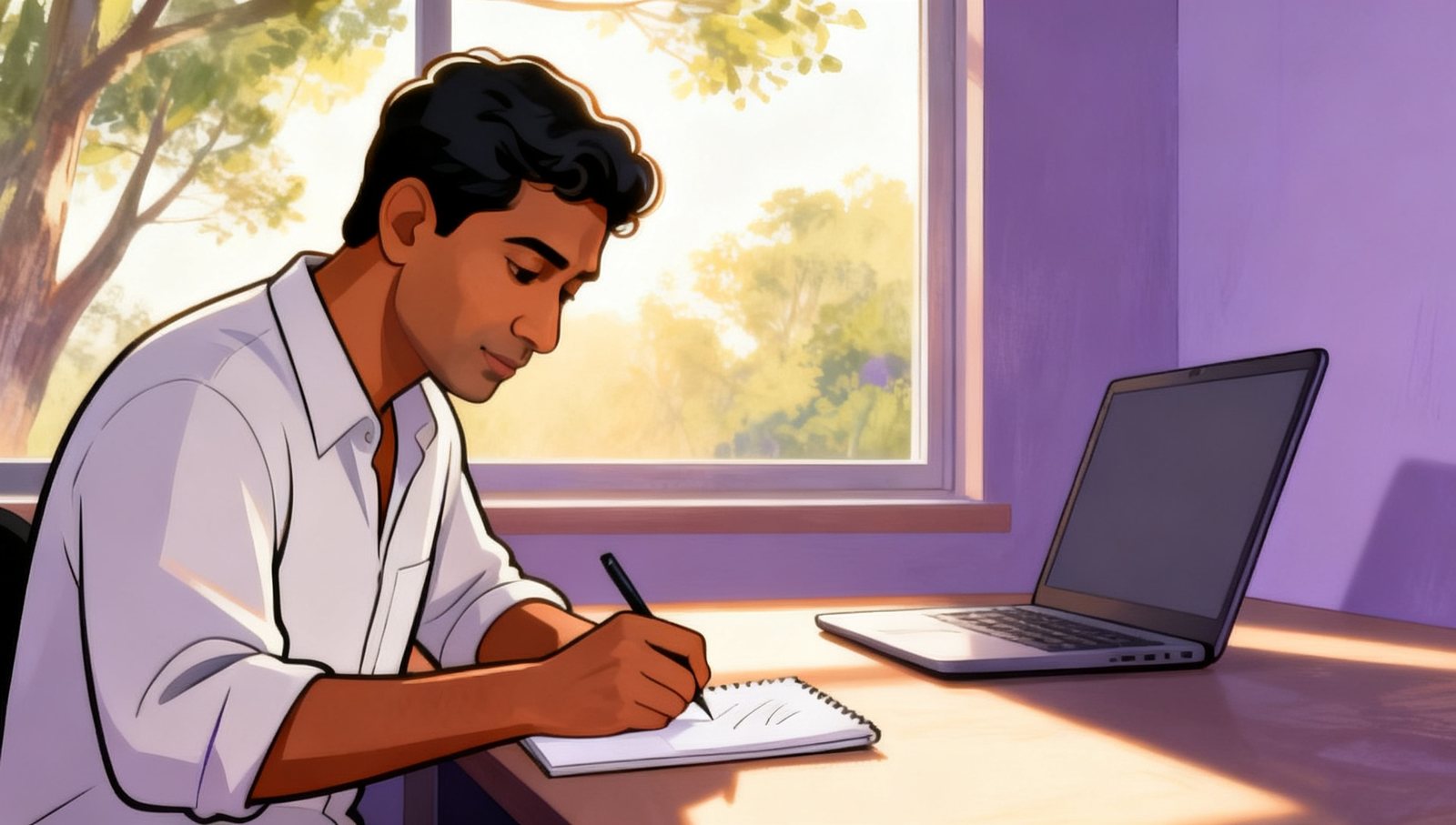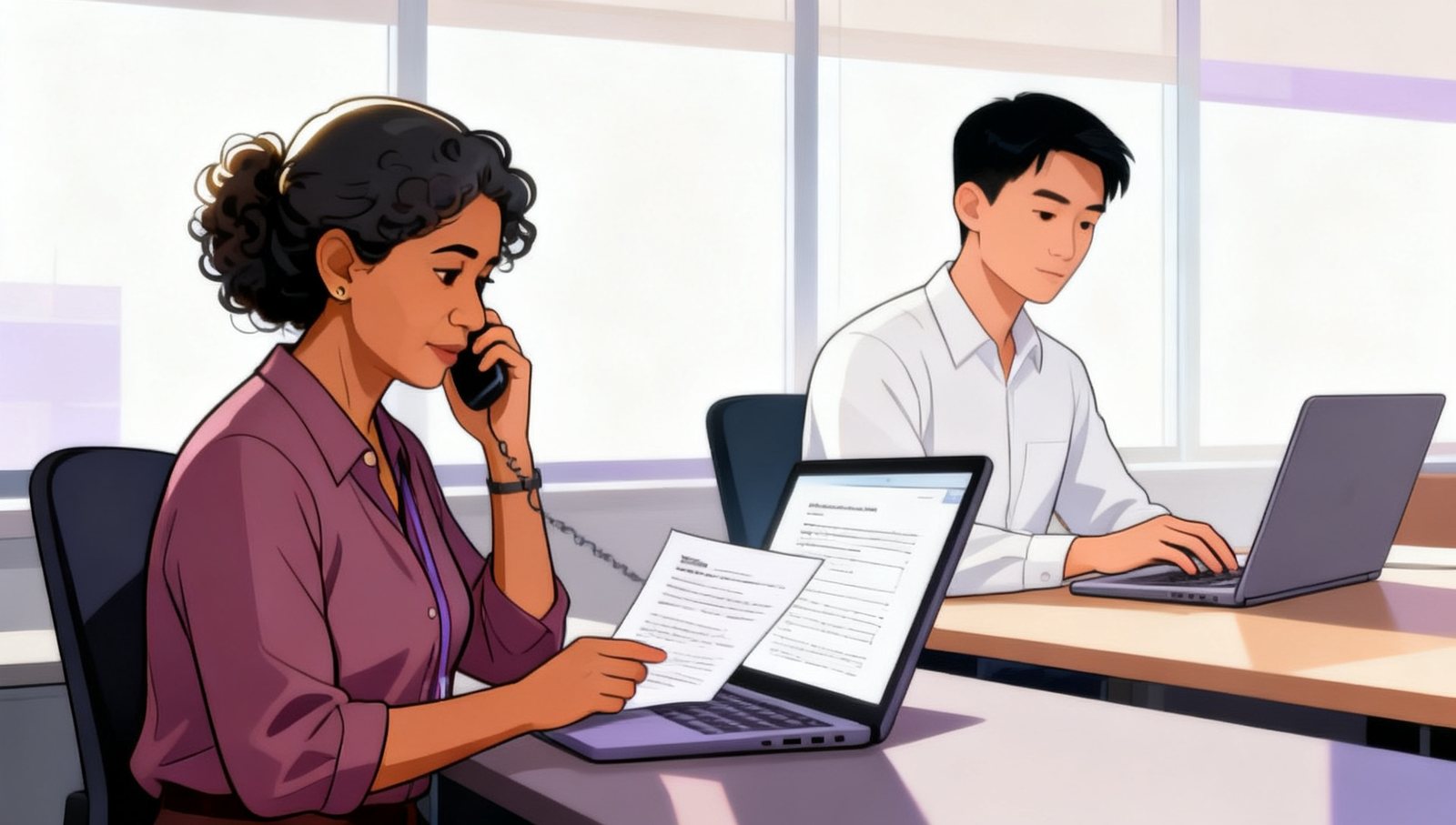

A regional sales director in Bangkok approves a large order from a new customer. Her AI assistant flagged the customer as low risk. She did not stop there. She called the customer's bank, checked two references and asked her finance team for a second view. Everything looked sound. She approved.
Three months later, the customer cannot pay. A market change hit their business. Nobody could have seen it.
In the review meeting, the question is simple: "Who approved this?"
Down the corridor, another director approved a similar order. He read the AI's summary, liked it and approved it in five minutes. His customer paid on time.
He is praised. She is questioned. Yet her decision was better made.
Outcome bias
This pattern has a name. Jonathan Baron and John Hershey described it in 1988. People judge a decision by how it turned out. They call this outcome bias.
It is a very human habit. Outcomes are easy to see. The quality of a decision is hard to see. So we use the outcome as a short cut. A good result must have come from a good decision. A bad result must have come from a bad one.
But the two are different. A careful decision can end badly because of events no one controls. A careless decision can end well by luck. Over many decisions, care tends to pay. On any single decision, luck can win.
Why AI makes this worse
Outcome bias has always been a problem. AI makes it more costly, for three reasons.
First, the route is now invisible. When a manager decides with AI, most of the work happens on a screen, alone. Nobody sees what they opened, who they called or what they challenged. All anyone sees is the result.
Second, AI is right most of the time. So the person who accepts every AI answer will have a good record for a long time. The person who checks will look slower, with the same results. Until the day the AI is wrong, the careless habit looks like the efficient one.
Third, people learn what is rewarded. If only outcomes count, people learn to protect themselves. Some stop sharing their reasoning, because reasoning can be questioned. Some follow the AI, because "the system said so" is an easy defence. Some overrule the AI, so that they own the result. None of these is about the evidence.
The cost: nobody learns
The biggest cost of outcome bias is not unfairness, though it is unfair. It is that nobody learns.
When a decision goes wrong, the review asks who to blame. It does not ask what was checked, what was missed and what could have been known. When a decision goes right, nobody asks at all. So the organisation never studies its decision routes. It only counts its results.
With AI, this is a serious gap. The habits that matter, such as when to rely on the AI and when to challenge it, are visible only in the route. If the route is never examined, the habits never improve.
What leaders can do
- Separate process from outcome. In reviews, ask two questions. Was this a good decision with what was known at the time? And how did it turn out? Discuss them separately.
- Ask for the route. What did the AI say? What did you check? What did you push back on? Make these normal questions, not hostile ones.
- Review good results too. A good outcome from a careless route is a warning, not a success.
- Make it safe to show your reasoning. People share their route only when it will not be used against them.
The aim is not to excuse bad results. It is to make sure that good decisions are recognised, and that people learn from the route, not only from luck.
Sources
- Baron and Hershey (1988). Journal of Personality and Social Psychology 54(4):569–579.